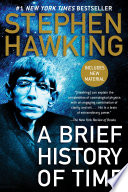
From "A Brief History of Time"
🎧 Listen to Summary
Free 10-min PreviewAlbert Einstein's Political and Social Engagement
Key Insight
Albert Einstein's life was significantly divided between scientific pursuits and political engagement. His most widely recognized political action involved signing the pivotal letter to President Franklin Roosevelt, urging the United States to seriously consider the development of the nuclear bomb, followed by extensive post-war efforts to prevent nuclear conflict. Beyond this, his earliest political activities emerged during the First World War while a professor in Berlin, where he actively participated in anti-war demonstrations, appalled by human life wastage. He advocated for civil disobedience and publicly encouraged people to refuse conscription, actions that estranged him from many colleagues.
Following the First World War, Einstein directed his efforts towards promoting reconciliation and enhancing international relations, an stance that also generated unpopularity and complicated his ability to visit the United States, even for academic lectures. His second major social cause was Zionism. Despite his Jewish descent, he did not adhere to the biblical concept of God. However, a rising awareness of anti-Semitism, prevalent both before and during WWI, progressively led him to identify with the Jewish community and subsequently become an outspoken advocate for Zionism, undeterred by the resulting public disapproval.
His political and social positions led to direct attacks on his scientific theories; an anti-Einstein organization was even established. In one instance, a man was convicted and fined a mere 6 dollars for inciting others to murder him. Despite these personal and professional challenges, including a book titled '100 Authors' being published against him, Einstein maintained a 'phlegmatic' demeanor. His unwavering commitment to these causes demonstrates a deeply rooted belief in justice and social responsibility that transcended his groundbreaking scientific contributions, defining a significant aspect of his public life.
📚 Continue Your Learning Journey — No Payment Required
Access the complete A Brief History of Time summary with audio narration, key takeaways, and actionable insights from Stephen Hawking.