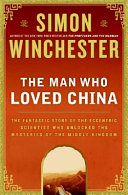
From "The Man Who Loved China"
🎧 Listen to Summary
Free 10-min PreviewThe 'Science and Civilisation in China' Project's Critical Triumph
Key Insight
The initial publications of the 'Science and Civilisation in China' series carried immense pressure, as their reception was crucial for restoring his reputation and academic respectability. He was acutely aware he was writing for an audience prejudiced against China and the East, skeptical of challenging Western cultural and intellectual supremacy. This prejudice, which was racial and culturally arrogant in 1942, was now compounded by vehement anticommunism after Mao Zedong's Communist Party came to power in 1949, making support for China appear as treachery.
His political leanings, including the anti-American conclusions of his commission's report, were widely reviled, leading to criticism even on normally liberal American university campuses. This scrutiny focused on his politics, sympathies, and friends, rather than his science or intelligence, and occurred before a single word of his 'essentially dispassionate, nonpolitical, and purely academic thesis' was published. He feared savage and personally devastating reviews, or perhaps no reviews at all, leaving him without vindication.
Despite his profound fears, the actual reviews were 'truly extraordinary' and 'entirely positive'. The intellectual community largely disregarded his politics, recognizing the work as superb scholarship. Prominent figures like Arnold Toynbee, Sir Cyril Hinshelwood, and Richard Boston offered praise. Laurence Picken hailed it as 'prodigious... perhaps the greatest single act of historical synthesis and intercultural communication ever attempted by one man'. The first volume, comprising 5000 copies, sold out completely and has remained continuously in print since its publication, marking a significant triumph and vindication.
📚 Continue Your Learning Journey — No Payment Required
Access the complete The Man Who Loved China summary with audio narration, key takeaways, and actionable insights from Simon Winchester.