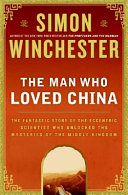
From "The Man Who Loved China"
🎧 Listen to Summary
Free 10-min PreviewGroundbreaking Chinese Inventions and Their Historical Precedence
Key Insight
Extensive research uncovered a 'cave of glittering treasures' of Chinese inventions and discoveries that consistently predated their European counterparts. For instance, the technique of using a magnetized needle suspended by silk to determine south was described in AD 1088 by Shen Gua of the Song dynasty, a full century before the first recorded use of a magnetic compass elsewhere in the world (AD 1188).
In metallurgy and engineering, Chinese ironworkers in the 6th century BC developed malleable cast iron and fashioned advanced plowshares with moldboards, significantly superior to the primitive 'ard' used in Europe. Breast-strap harnesses for horses were invented in the 3rd century BC, used for 1000 years before Europeans adopted similar methods. Large-scale water control projects, such as dams, irrigation systems, and the Grand Canal (started 5th century BC), were undertaken centuries before similar efforts in the West, demonstrating a tradition of subduing nature's excesses.
Numerous other innovations include the chain drive (10th century, seven centuries before Europe), the square-pallet chain pump (1st century, still widely used), and the segmental arch bridge (Li Jun, 7th century, 300 years before Italian adoption). Practical inventions like the wheelbarrow, fishing reel, sternpost rudder, gimbals, umbrella, spinning wheel, kite, and calipers also emerged early. Ma Jun, a Han dynasty genius around AD 206, created intricate automata. Even the stirrup, a simple six-inch device, profoundly impacted warfare, while games like chess, fine porcelain, and perfumed toilet paper were also Chinese innovations.
📚 Continue Your Learning Journey — No Payment Required
Access the complete The Man Who Loved China summary with audio narration, key takeaways, and actionable insights from Simon Winchester.