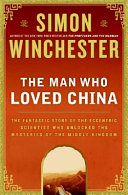
From "The Man Who Loved China"
🎧 Listen to Summary
Free 10-min PreviewMarriage, Political Engagement, and Social Controversies
Key Insight
Joseph Needham proposed to Dorothy Moyle in midsummer 1924, marrying her on Friday, September 13, in a deliberate defiance of convention. They established a 'thoroughly modern' marriage, agreeing to sexual encounters with others, unburdened by 'bourgeois demands of sexual fidelity,' likely influenced by Joseph's low sperm count, which prevented them from having children. Joseph openly pursued numerous affairs with women in Cambridge, while Dorothy stoically, and discreetly, accepted this arrangement, admired by others for her composure.
Deeply religious and socialist, the couple sought a church that accommodated their liberal views and found it in Thaxted, Essex, in 1925. Here, they joined the congregation of Conrad Noel, the infamous 'red vicar,' known for his fiery socialist preaching and revolutionary displays, such as flying the Red flag, George Cross, and Sinn Fein banner from his church spire. Needham also enthusiastically embraced morris dancing, viewing it as a 'pure creation of the working class' and a demonstration of 'true socialism' woven into English society, and he actively promoted its revival, even presenting academic papers on its geographical distribution.
The 1926 General Strike solidified Needham's far-left political commitment, prompting him to devour 'Das Kapital' and 'Engel's Dialectics of Nature' and align with the British Labour Party's left wing. He became a vocal activist, writing letters, campaigning for boycotts (e.g., the 1936 Berlin Olympics), protesting police actions on behalf of the National Council for Civil Liberties, and collaborating with prominent left-wing intellectuals like E. M. Forster and H. G. Wells. His support for the Republican cause in the Spanish Civil War was passionate, leading him to lobby for Basque refugees, design a field ambulance, and contribute to the Cornford-McLaurin fund, despite criticism from some older, conservative colleagues at Caius.
📚 Continue Your Learning Journey — No Payment Required
Access the complete The Man Who Loved China summary with audio narration, key takeaways, and actionable insights from Simon Winchester.