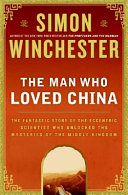
From "The Man Who Loved China"
🎧 Listen to Summary
Free 10-min PreviewJoseph Needham's International Commission and its Controversial Report
Key Insight
Joseph Needham, a renowned Cambridge biochemist and fluent Chinese speaker, was invited to lead an International Science Commission to investigate the germ warfare allegations, approximately six weeks after China's premier made public accusations. The commission, formed under the Soviet-funded World Peace Council, aimed for impartiality, but its 'left-leaning' context during the Cold War raised immediate credibility concerns in the West. Needham, convinced of China's commitment to the common good and eager to support the new government, readily agreed to join and ascertain the truth of the charges against American forces.
Arriving in China in June for a two-month mission, Needham pursued the investigation with vigor, despite private reservations about his colleagues' caliber. He traveled to alleged attack sites, interviewed villagers, translated reports, and compiled extensive notes, but pointedly avoided scientific laboratory investigations himself. Initially, he dismissed potentially staged evidence as customary Chinese hospitality. However, a visit to Gannan county to observe a mobile bacteriology laboratory examining vole slides made him skeptical, leading him to believe it 'may have been a mise-en-scène for one person.'
Needham's ultimate conclusions were based on his uncritical trust in numerous Chinese bacteriologists, many of whom he personally knew and vouched for, including those with PhDs from American, British, and Japanese universities. He found it inconceivable that these scientists, regardless of political shifts, would compromise their professional integrity. The commission's 665-page report, published initially in French on September 15, 1952, corroborated all Chinese and Korean claims, asserting that US armed forces had 'employed bacteriological weapons' with methods resembling those used by the Japanese in WWII. Needham declared he was 'ninety-seven percent certain' that the US had used infected insects and small animals to spread diseases like anthrax, smallpox, tularemia, typhus, and plague.
📚 Continue Your Learning Journey — No Payment Required
Access the complete The Man Who Loved China summary with audio narration, key takeaways, and actionable insights from Simon Winchester.