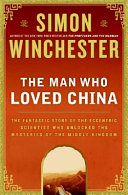
From "The Man Who Loved China"
🎧 Listen to Summary
Free 10-min PreviewThe Ancient Chinese Origin of Oranges
Key Insight
The original home of orange trees was on the eastern and southern slopes of the Himalayan massif. This fact is strongly supported by the maximum number of old-established orange varieties found in the Chinese cultural area, coupled with the extreme antiquity of Chinese literary references to the fruit.
Evidence for this ancient origin is also found in the early mention of oranges in texts like 'The Shu Jing', which probably dates back to 800 BC. The Chinese language further reflects this long history through the considerable number of single written characters specifically denoting particular citrus species, such as 'ju' for orange, 'you' for pomelo, 'gan' for certain oranges, 'cheng' for sweet oranges, 'luan' for sour oranges, and 'yuan' for citron. Such specialized nomenclature is a clear sign of ancientness.
These linguistic and historical clues conclusively point to China as the primary habitat and cultural center for oranges, indicating that their cultivation and understanding were deeply ingrained in Chinese society millennia ago.
📚 Continue Your Learning Journey — No Payment Required
Access the complete The Man Who Loved China summary with audio narration, key takeaways, and actionable insights from Simon Winchester.