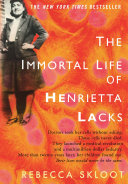
From "The Immortal Life of Henrietta Lacks"
🎧 Listen to Summary
Free 10-min PreviewHeLa Cells and the Polio Vaccine Effort
Key Insight
In 1951, a massive polio epidemic fueled an urgent need for a vaccine. Jonas Salk developed the first polio vaccine in February 1952, but required large-scale testing on 2 million children, necessitating millions of neutralization tests. These tests involved mixing blood serum from vaccinated children with live poliovirus and cultured cells to observe immunity. The existing method, using monkey cells, was prohibitively expensive, costing millions of dollars. The National Foundation for Infantile Paralysis (NFIP), a charity, sought a cost-effective, mass-producible cell line.
By chance, soon after the NFIP contacted Gey for assistance, he realized Henrietta's cells (HeLa) grew unlike any other human cells. HeLa cells could grow floating in a constantly stirred culture medium (suspension culture), not confined to a single layer on a glass surface. This allowed for unprecedented proliferation by simply increasing the medium volume. In April 1952, Gey and William Scherer discovered HeLa was more susceptible to poliovirus than any other cultured cells. Following this, Gey successfully developed methods to ship live cells, sending HeLa from Baltimore to Minnesota in a cork-lined tin with ice, arriving viable after four days, marking the first successful live cell mail shipment. Subsequent tests using planes, trains, and trucks across the country further proved shipping viability.
Recognizing HeLa's potential, the NFIP contracted William Scherer to establish a HeLa Distribution Center at the Tuskegee Institute. This location was chosen by Charles Bynum, a civil rights activist, to provide substantial funding, jobs, and training for young black scientists. Within months, a factory was built with industrial autoclaves, large stirred vats, incubators, and automatic cell dispensers. A staff of 35 scientists and technicians eventually produced 20000 tubes, or approximately 6 trillion HeLa cells, weekly. This unprecedented cell production facility was instrumental in proving the Salk vaccine's effectiveness and highlighted the role of black scientists and women in a crucial medical breakthrough, occurring concurrently with the infamous Tuskegee syphilis studies on the same campus.
📚 Continue Your Learning Journey — No Payment Required
Access the complete The Immortal Life of Henrietta Lacks summary with audio narration, key takeaways, and actionable insights from Rebecca Skloot.