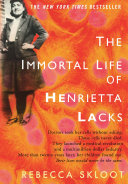
From "The Immortal Life of Henrietta Lacks"
🎧 Listen to Summary
Free 10-min PreviewHenrietta Lacks's Socio-Medical Context and Patient Experience
Key Insight
Henrietta Lacks's experience was profoundly shaped by the Jim Crow era, which enforced racial segregation in healthcare. Johns Hopkins Hospital, though a major facility treating black patients, maintained segregated 'colored' wards, bathrooms, and exam rooms. Other 'white-only' hospitals often turned black patients away, even in critical condition. Henrietta's journey of nearly twenty miles to Hopkins was not a choice of preference but a necessity, as it was the only accessible major hospital that would treat her.
Her medical history, detailed in her chart, revealed a pattern of untreated conditions and declined medical advice, reflecting a complex patient-doctor dynamic. Her education, limited to 'sixth or seventh grade,' contributed to her difficulty understanding medical terminology like 'cervix' or 'biopsy.' She had a history of recurrent throat infections, a deviated septum (surgical repair declined), a five-year toothache (eventually extracted), and 'asymptomatic neurosyphilis' (cancelled treatments), as well as positive gonorrhea (no response to recall for treatment), and declined a sickle cell test despite unexplained bleeding.
Henrietta's reluctance to seek medical attention stemmed from a deep-seated apprehension, viewing Hopkins as a 'foreign country' where she didn't speak the 'language' of medicine. Her initial secrecy about the 'knot' was likely influenced by fears that doctors might remove her womb, preventing future childbirth, a common concern among women at the time. She only sought care when symptoms like abnormal bleeding became undeniable, indicating a critical need rather than proactive health management, highlighting a profound disconnect between her lived experience and the medical establishment.
📚 Continue Your Learning Journey — No Payment Required
Access the complete The Immortal Life of Henrietta Lacks summary with audio narration, key takeaways, and actionable insights from Rebecca Skloot.