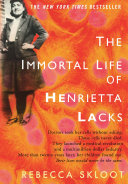
From "The Immortal Life of Henrietta Lacks"
🎧 Listen to Summary
Free 10-min PreviewThe Unprecedented Growth of HeLa Cells
Key Insight
Following the meticulous preparation of Henrietta Lacks' cervical tissue sample, labeled 'HeLa', Mary Kubicek placed the 1 mm squares onto chicken-blood clots within test tubes, which were then inserted into George Gey's slowly rotating 'whirligig' incubator. Henrietta spent two days recovering from her initial radium treatment before returning home. Mary, accustomed to cell culture failures, initially expected no different outcome for Henrietta's cells, noting 'Nothing's happening' after her daily sterilization routine. However, two days after Henrietta's discharge, Mary observed distinct 'little rings of fried egg white' around the clots at the bottom of each tube, signifying an unexpected initial growth.
This initial observation quickly transformed into an unprecedented phenomenon: Henrietta's cells began growing with 'mythological intensity'. Within twenty-four hours, the cells doubled their numbers. Mary had to repeatedly divide the contents of each tube, first into two, then four, then six, as the HeLa cells rapidly proliferated, filling any available space given to them. Despite their continuous and aggressive growth, George Gey remained cautious, stating 'The cells could die any minute'. Yet, they defied expectations, multiplying by the millions, accumulating in hundreds of layers, and were described by Margaret Gey as 'spreading like crabgrass!'
The proliferation rate of HeLa cells was astonishing, growing twenty times faster than Henrietta's normal cells, which typically perished within a few days in culture. The cancer cells demonstrated an apparently unstoppable nature, thriving indefinitely as long as they were supplied with warmth and nutrients. Recognizing this unparalleled and sustained growth, George Gey soon informed his closest colleagues that his lab had succeeded in cultivating what he believed to be the first immortal human cells. In response, these colleagues immediately requested samples, and George Gey readily agreed to share them, initiating the global distribution and subsequent widespread impact of HeLa cells on scientific research.
📚 Continue Your Learning Journey — No Payment Required
Access the complete The Immortal Life of Henrietta Lacks summary with audio narration, key takeaways, and actionable insights from Rebecca Skloot.