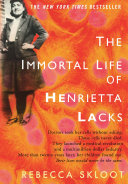
From "The Immortal Life of Henrietta Lacks"
🎧 Listen to Summary
Free 10-min PreviewChallenges and Standardization in Cell Culture Research
Key Insight
By the 1960s, a major issue emerged in cell culture: all normal cells grown in culture eventually died or spontaneously transformed into cancerous cells. While exciting for cancer mechanism studies, this phenomenon created problems for developing medical therapies. A notable example involved a Navy doctor, George Hyatt, who cultured human skin cells for burn treatment; however, these cells became cancerous after being transplanted onto a volunteer's arm, necessitating their removal and halting further such transplants.
Another disturbing observation was that once cells transformed and became cancerous, they all behaved identically, producing the same proteins and enzymes, regardless of their original differences. Lewis Coriell proposed that this uniform behavior was not due to cancer but contamination, possibly by a virus, bacterium, or even HeLa cells. This, coupled with cavalier practices—including poor record-keeping, mislabeling, and widespread amateur cell culture—threatened to degrade the field into chaos, diminishing the value of research, particularly cell-specific studies, despite its importance for discoveries like cigarettes causing lung cancer or new chemotherapy drugs such as Vincristine and Taxol.
To prevent this degeneration, a group of scientists recommended establishing a federal cell bank for pure, uncontaminated cultures. The NIH agreed, forming the Cell Culture Collection Committee. Their mission was to create a nonprofit federal cell bank at the American Type Culture Collection (ATCC), which had been monitoring microbes since 1925 but not cultured cells. This 'Fort Knox' of cell culture required stringent criteria: cells had to be tested for all possible contamination and come directly from the original source. Early efforts led to the L-cell (mouse) as cell number one and, after tracking down a sample from William Scherer, HeLa as cell number two, and quickly revealed that 9 out of 10 cell lines, thought to be from nine different species, were actually from primates.
📚 Continue Your Learning Journey — No Payment Required
Access the complete The Immortal Life of Henrietta Lacks summary with audio narration, key takeaways, and actionable insights from Rebecca Skloot.