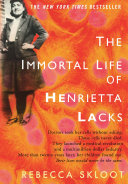
From "The Immortal Life of Henrietta Lacks"
🎧 Listen to Summary
Free 10-min PreviewThe Complex Intertwined Racial History of the Lacks Family and Clover
Key Insight
The Lacks family, encompassing both black and white members, possesses a deeply intertwined history rooted in slavery and land ownership in Clover. Henrietta's maternal great-grandfather, Albert Lacks, a white man who inherited part of the Lacks Plantation in 1885, bequeathed land in ten-acre chunks to five 'colored' heirs, including Henrietta and Day's grandfather, Tommy Lacks, who were recognized as Albert's children with a former slave named Maria. Albert's brother, Benjamin Lacks, later sued for land redistribution, leading to the creation of 'Lacks Town' for the black Lackses. Benjamin's will further distributed 124 acres and horses to seven 'colored' heirs, including Tommy Lacks, whom he explicitly referred to as his 'nigger children.' Oral history in the black Lacks community confirms that everyone living on the former Lacks Plantation descended from these two white brothers and their black mistresses, who were once enslaved.
Despite this shared ancestry and the fact that 'white folks and black folks all buried over top of each other' in the family cemetery, a significant racial divide persisted, accompanied by a denial of kinship by white Lackses. Henrietta's cousin Cliff noted that white Lackses 'know their kin all buried in here with ours cause they family,' but 'they'll never admit it,' claiming 'Them Black Lackses, they ain't kin!' This sentiment was exemplified by Carlton and Ruby Lacks, who displayed Confederate flags in their home. Ruby, when questioned about the black Lackses, responded defensively, asserting, 'Well, that was colored!' and maintaining, 'We never did know each other,' expressing disapproval of racial mixing by stating, 'I just can't see the sense in it.' She theorized that black Lackses adopted the name after leaving the plantation, a claim directly refuted by Henrietta's sister Gladys, who affirmed, 'Black and white Lacks is kin, but we don't mix.'
Race remained 'ever-present' in Clover, influencing daily life and community identity, with specific businesses and churches designated by race. Despite claims of good race relations, the historical proximity of a 'Lynch Tree' and KKK meetings until the 1980s suggests underlying racial tensions. The profound impact of racial identity is starkly illustrated by Henrietta's youngest sister, Lillian, who, fearing harm related to her lottery winnings and inquiries about Henrietta, 'converted to Puerto Rican' to 'disown her blackness' and avoid being 'black no more.' The Lacks family cemetery serves as a poignant symbol of this complex history, with Cliff reflecting on the 'beautiful' idea of 'slave-owning white Lackses being buried under their black kin,' and humorously concluding, 'They spending eternity in the same place. They must've worked out their problems by now!'
📚 Continue Your Learning Journey — No Payment Required
Access the complete The Immortal Life of Henrietta Lacks summary with audio narration, key takeaways, and actionable insights from Rebecca Skloot.