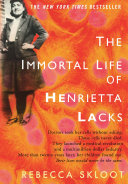
From "The Immortal Life of Henrietta Lacks"
🎧 Listen to Summary
Free 10-min PreviewThe Discovery of the Lacks Family and the Revelation of HeLa's True Story
Key Insight
The Lacks family first learned about the HeLa cell contamination problem and their connection to it in 1975, when journalist Michael Rogers, a journalism prodigy and staff writer for Rolling Stone, arrived at their home. Rogers, who had degrees in creative writing and physics and published two books by his early twenties, initially discovered 'Helen Lane Lives!' graffiti in a medical school bathroom. His search for this mysterious 'Helen Lane' eventually led him to Walter Nelson-Rees, who revealed the true name: Henrietta Lacks. Rogers subsequently located Lawrence Lacks in the Baltimore phone book, setting the stage for the groundbreaking revelation.
Upon meeting the Lackses, Rogers found them largely unaware of their mother's cells or their significance. They were, in fact, bombarded him with questions, expressing distress that doctors had taken blood samples without explanation, leaving them worried. Lawrence, for example, asked if the cells' immortality meant they would live longer or die of cancer; Rogers clarified that it did not. While initial reactions from family members like Sonny were more curious than upset, viewing the cells as 'helpin somebody,' their perspective shifted dramatically after reading Rogers's draft article detailing HeLa's widespread commercial use, including vials sold for around $25 with 800 numbers for ordering.
Rogers's Rolling Stone article, published on March 25, 1976, was the first mainstream media account to truthfully narrate Henrietta Lacks's story and identify her as a Black woman. This timing was particularly potent, coming after the Tuskegee study revelations and amidst Black Panther protests against a racist healthcare system. The narrative highlighted Henrietta, a Black woman descended from slavery and sharecropping, whose cells were utilized by white scientists without consent, symbolizing a complex racial history. The article spurred further media attention, with Jet, Ebony, Smithsonian, and various newspapers subsequently publishing stories about Henrietta Lacks, solidifying her as a pivotal figure in medical history.
📚 Continue Your Learning Journey — No Payment Required
Access the complete The Immortal Life of Henrietta Lacks summary with audio narration, key takeaways, and actionable insights from Rebecca Skloot.