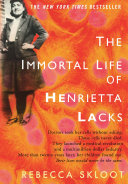
From "The Immortal Life of Henrietta Lacks"
🎧 Listen to Summary
Free 10-min PreviewThe Complexities of Initiating Contact and Building Trust with Henrietta Lacks's Family
Key Insight
The effort to research Henrietta Lacks began eleven years after the initial learning, leading to contact with Roland Pattillo, a professor of gynecology at Morehouse School of Medicine. Pattillo, who organized a symposium in Henrietta's honor and was one of George Gey's few African-American students, immediately cautioned that Henrietta's family had 'a terrible time with the HeLa cells' and would be unwilling to speak. He challenged the inquirer's motives, noting their white background and probing their understanding of African-Americans' historical interactions with science.
To verify sincerity, Pattillo subjected the individual to an hour-long 'grilling', necessitating a recount of historical medical injustices. This included the Tuskegee syphilis study, which began in the 1930s, where U.S. Public Health researchers studied syphilis progression in hundreds of African-American men, deliberately withholding penicillin treatment and observing their slow deaths. Incentives for participation included free physical exams, hot meals, rides to clinics, and fifty-dollar burial stipends, based on the researchers' belief that black people were 'a notoriously syphilis-soaked race'. Other cited abuses included 'Mississippi Appendectomies'—unnecessary hysterectomies performed on poor black women for surgical practice and sterilization—and a lack of funding for sickle-cell anemia research, a disease predominantly affecting black individuals.
After three days of scrutiny, Pattillo provided Deborah Lacks's phone number, accompanied by strict guidelines: 'Don't be aggressive. Do be honest. Don't be clinical, don't try to force her into anything, don't talk down to her...Do be compassionate, don't forget that she's been through a lot with these cells, do have patience.' Deborah, who was nearly deaf and relied on lip-reading, initially reacted with enthusiasm upon comprehending the purpose, exclaiming, 'Everything always just about the cells and don't even worry about her name...So hallelujah! I think a book would be great!' She then delivered a chaotic forty-five-minute account of family history, expressing profound frustration over decades of unfulfilled promises for information about her mother and a deep yearning to know personal details, such as 'what did my mother smell like?' or 'what color she like?'
📚 Continue Your Learning Journey — No Payment Required
Access the complete The Immortal Life of Henrietta Lacks summary with audio narration, key takeaways, and actionable insights from Rebecca Skloot.