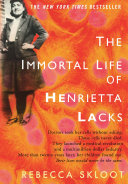
From "The Immortal Life of Henrietta Lacks"
🎧 Listen to Summary
Free 10-min PreviewEarly Misidentification of HeLa Cell Donor's Name
Key Insight
The identity of the donor of the HeLa cells, Henrietta Lacks, was known to numerous individuals and institutions involved in her treatment and the early research with her cells, including Dr. Gey's lab, various Hopkins doctors, and personnel at the NFIP and Tuskegee. Despite intentions to keep her name confidential, it inevitably leaked. The first public mention occurred on November 2, 1953, in the Minneapolis Star, which incorrectly identified her as 'Henrietta Lakes'. This initial misidentification set a precedent for future inaccuracies regarding her name.
Following the Minneapolis Star article, Roland H. Berg, a press officer for the NFIP, sought to write a detailed story on HeLa cells, insisting on using the patient's name for 'human interest' and arguing that 'Henrietta Lakes' was already public. He planned to interview relatives, claiming to protect their rights despite revealing identity. Dr. Gey, while initially proposing a fictitious name, did not correct Berg regarding the Minneapolis Star's error. This period saw a tension between scientific confidentiality and media's demand for personal narratives.
This trend of misidentification continued with Collier's magazine. On May 14, 1954, Collier's published an article referring to the cell donor as 'Helen L.' and wrongly stated that her cells were collected after her death, not before. These inaccuracies were present in the final version of the article, which had been reviewed and edited by Johns Hopkins' head of public relations, Joseph Kelly, presumably with Dr. Gey's input. The pseudonym 'Helen Lane,' sometimes 'Helen Larson,' became widely used thereafter, ensuring that the patient's real family remained unaware of her cells' existence until the 1970s.
📚 Continue Your Learning Journey — No Payment Required
Access the complete The Immortal Life of Henrietta Lacks summary with audio narration, key takeaways, and actionable insights from Rebecca Skloot.