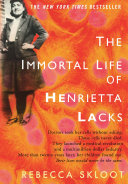
From "The Immortal Life of Henrietta Lacks"
🎧 Listen to Summary
Free 10-min PreviewUnauthorized Publication of Henrietta Lacks's Medical Records
Key Insight
In 1985, 'A Conspiracy of Cells: One Woman's Immortal Legacy and the Medical Scandal It Caused' by reporter Michael Gold was published by a university press. Deborah Lacks discovered the book, which featured Henrietta's photograph and extensively quoted her medical records. These records, never seen by the family nor authorized for publication, detailed Henrietta's syphilis, blood spotting, rapid decline, and the excruciating details of her autopsy, including her body being 'split down the middle and opened wide,' filled with 'greyish white tumor globules' on organs such as the liver, diaphragm, intestine, appendix, rectum, heart, ovaries, fallopian tubes, and a 'solid mass of cancerous tissue' covering the bladder area.
Reading the graphic autopsy description caused Deborah immense distress; she cried for days, imagined her mother's suffering, and experienced sleepless nights, seeing her mother's body 'split in half, arms askew, and filled with tumors.' This led to deep anger towards Hopkins, as she questioned who released her mother's private medical information to a reporter. Her brothers, Lawrence and Zakariyya, suspected a direct link between Gold and Hopkins doctors due to the unauthorized access. Gold, years later, could not recall who provided the records but mentioned 'good long conversations' with Victor McKusick and Howard Jones, recalling the records were 'in somebody's desk drawer,' while Jones denied any memory of Gold or providing records.
While publishing medical information from a source was not illegal for a journalist at the time, doing so without family consent or contact was considered questionable judgment. Gold admitted the Lacks family 'wasn't really my focus,' viewing them as 'interesting color for the scientific story.' For a doctor, handing patient records to a reporter violated centuries-old ethical tenets like the Hippocratic Oath, which mandates confidentiality to ensure patients disclose vital information. However, in the early 1980s, ethical codes were not laws. Maryland, unlike over thirty other states, had no law protecting patient medical record confidentiality. Crucially, while living patients could sue for privacy violations, the deceased, including Henrietta, had no legal right to privacy, even if their cells remained alive.
📚 Continue Your Learning Journey — No Payment Required
Access the complete The Immortal Life of Henrietta Lacks summary with audio narration, key takeaways, and actionable insights from Rebecca Skloot.