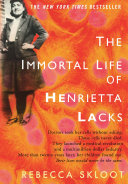
From "The Immortal Life of Henrietta Lacks"
🎧 Listen to Summary
Free 10-min PreviewMid-20th Century Medical Practices and Racial Disparities
Key Insight
In the 1950s, medical practice commonly involved 'benevolent deception,' where doctors withheld even fundamental information, including diagnoses, from patients. This was based on the belief that it was best not to 'confuse or upset patients' with potentially 'frightening terms' like cancer. Consequently, most patients, including Henrietta, typically deferred to their doctors' authority without questioning their statements.
In 1951 Baltimore, racial segregation was legally enforced, and it was implicitly understood that 'black people didn't question white people's professional judgment.' Discrimination in hospitals was widespread, making many black patients simply 'glad to be getting treatment.' While Henrietta's specific biopsy, radium treatment, and radiation were considered 'standard for the day' and reportedly consistent with care for a white patient by one doctor, several studies indicate black patients were consistently 'treated and hospitalized at later stages' of illness, received 'fewer pain medications,' and had 'higher mortality rates' once admitted, compared to white patients.
During Henrietta's terminal hospitalization, a nurse labeled her blood vial 'COLORED.' Despite her critical condition, a doctor extracted more cells from her cervix at George Gey's request, intending to see if a 'second batch' would grow. However, due to her body's severe contamination with toxins, these cells 'died immediately in culture.' While there is no record of Gey visiting Henrietta or discussing her cells, and most sources claim they never met, microbiologist Laure Aurelian recalled Gey telling Henrietta directly, 'Your cells will make you immortal.' He reportedly told her her cells 'would help save the lives of countless people,' to which she 'smiled' and was 'glad her pain would come to some good for someone.'
📚 Continue Your Learning Journey — No Payment Required
Access the complete The Immortal Life of Henrietta Lacks summary with audio narration, key takeaways, and actionable insights from Rebecca Skloot.