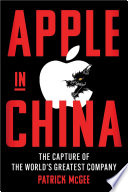
From "Apple in China"
🎧 Listen to Summary
Free 10-min PreviewThe Rise of Foxconn: Terry Gou and His Unique Business Model
Key Insight
Terry Gou, founder of Hon Hai Precision (Foxconn), developed a distinctive business model centered on extreme austerity and efficiency, appealing to clients like Dell and later Apple. Foxconn's Longhua campus, characterized by its shabby, cement-floored offices and tin roofs, symbolized Gou's commitment to channeling all resources into production rather than lavish amenities, thereby offering clients the lowest possible costs. This contrasted sharply with Steve Jobs's early obsession with aesthetic perfection in Apple's factories.
Foxconn's operations featured a military-like efficiency, with workers in gated communities performing minute, repetitive tasks on 12-hour shifts under strict rules, including a ban on talking and penalties for mistakes. Employees were given a 'Little Red Book' of Gou's aphorisms, some threatening, plastered on factory walls. Apple recognized that China's vast and affordable labor force enabled 'unconstrained design'—allowing for complex, automation-unfriendly products to be handcrafted, a departure from the previous 'mistake-proofing' approach. Taiwanese entrepreneurs, or Taishang, played a crucial role, bringing managerial expertise to the mainland and leveraging the 'Guangdong Model' of export-driven growth, supported by local government subsidies.
Gou's strategy was rooted in vertical integration, aiming to control the bill of materials for cost reduction and customer dependence, and profit through Purchase Price Variance (PPV). Unlike Original Design Manufacturers (ODMs) who designed products, Foxconn adopted the Original Equipment Manufacturer (OEM) model, focusing purely on manufacturing to meet client needs without competing with them. This enabled Foxconn to offer final assembly cheaply and even provide tooling for free, absorbing upfront costs in exchange for long-term, 'sticky' contracts, earning Gou the nickname 'Fox-con'. This approach positioned Foxconn to rapidly scale, outperforming competitors and eventually securing significant Apple orders, including the G4 desktop enclosure, which set the stage for Gou's crucial call to Tim Cook.
📚 Continue Your Learning Journey — No Payment Required
Access the complete Apple in China summary with audio narration, key takeaways, and actionable insights from Patrick McGee.