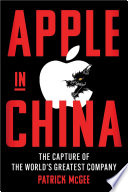
From "Apple in China"
🎧 Listen to Summary
Free 10-min PreviewApple's Shift to Full Outsourcing and LG's Global Failure
Key Insight
The overwhelming demand for the iMac prompted Apple to prioritize production efficiency, leading to an intensified outsourcing model. Apple began dismantling its own manufacturing facilities, eliminating 350 jobs in California and 450 in Ireland. This marked a significant strategic shift, as Apple committed to solely managing outsourcers rather than engaging in internal production, despite LG already contributing nearly 90% of the iMac's assembly.
LG expanded its iMac operations to Wales and Mexico with Apple's endorsement, aiming to smooth production, scale globally, and bypass tariffs. However, this expansion resulted in disaster. The £1.7 billion Welsh project, intended to create 6,000 jobs, suffered from an incomplete factory lacking heating, high staff turnover, and grueling 15-hour workdays for its team, who were trained in Singapore. Production was plagued by stolen hard drives, quality control disputes, and computers catching fire, earning the production area the nickname 'the toaster line' due to faulty capacitors, a problem LG attributed to Apple's design.
LG's Mexican venture in Mexicali also faltered, experiencing a fire that halted shipments for almost a month in April 1999 and facing cultural clashes. Korean executives, fearing kidnapping, resided across the border in California. The Mexicali plant struggled with demand forecasting for the iMac's five colors, often prioritizing ease of production over Apple's specific requirements, highlighting LG's inability to adapt to high-volume, rapid-change manufacturing. Combined with broader market shifts like the decline of CRTs, iMac production in Wales ceased after just one year, and LG lost its strategic leverage as Apple sought to redesign the iMac and find alternative suppliers.
📚 Continue Your Learning Journey — No Payment Required
Access the complete Apple in China summary with audio narration, key takeaways, and actionable insights from Patrick McGee.