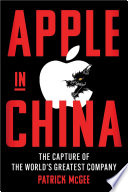
From "Apple in China"
🎧 Listen to Summary
Free 10-min PreviewApple's Extreme Work Culture and Its Costs
Key Insight
Apple's intense work environment, characterized by 80-hour workweeks and unpredictable, often lengthy trips to Asia, exacted a severe toll on employees' mental health and personal lives. Wives of primarily male engineers coined the term 'Apple widows' due to their husbands' frequent absences. This crisis led to the establishment of informal preventive measures known as the 'Divorce Avoidance Program,' or DAP. Initially, DAP allowed engineers to take time off when their marriages were at risk, acknowledging the critical need for personal respite.
As design demands continued to push boundaries, the DAP evolved beyond simple time off. Apple began offering financial incentives, specifically $10,000 bonuses upon project completion, to assuage spouses. These became known as 'Dan bucks' or 'Danny bucks,' referencing VP of Product Design Dan Riccio, who helped negotiate for them. Engineers frequently missed major holidays like Thanksgiving, Christmas, and New Year's, leading Apple to start paying for spouses and children to join engineers on trips lasting over 30 days to mitigate the strain, even though the engineers still worked seven days a week.
The pressure to work long hours was effectively mandatory. Apple's internal 'Leadership Palette' even codified this ethos, stating that 'Fighting for excellence... involves being dead tired and still pushing yourself, and others, to get it right, every time.' The profound stress had serious health consequences; one engineer was advised by his doctor to 'lose weight and quit Apple' to avoid severe health complications. Many longtime employees linked the deaths of colleagues in their forties and fifties to work-related stress, and Steve Jobs himself attributed his own cancer to the immense workload he undertook in 1997, highlighting the deeply ingrained and often destructive nature of Apple's demanding culture.
📚 Continue Your Learning Journey — No Payment Required
Access the complete Apple in China summary with audio narration, key takeaways, and actionable insights from Patrick McGee.