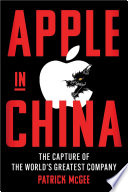
From "Apple in China"
🎧 Listen to Summary
Free 10-min PreviewThe Rise of the 'Red Supply Chain'
Key Insight
The 'Red Supply Chain' refers to the rapid ascent of mainland Chinese companies within Apple's manufacturing ecosystem, driven by strategic government support and the 'Made in China 2025' plan. This shift saw companies like Luxshare Precision, founded in 2004, evolve from making connector cables to assembling AirPods, Apple Watches, and eventually iPhones, quickly challenging established Taiwanese contract manufacturers like Foxconn. Luxshare's revenue soared from '$81 million' in 2009 to over '$32 billion' by 2023, with Apple accounting for 'three-quarters' of its sales.
Luxshare's success was notably boosted by its founder Grace Wang's strategic savvy, exemplified by securing a high-profile factory visit from Tim Cook in 2017. This visit, reportedly earned by agreeing to assemble AirPods 'at cost,' garnered immense public prestige and signaled to investors and Chinese officials that Luxshare was a favored partner. Its market value grew from '$12 billion' to '$38 billion' in two and a half years, demonstrating the financial benefits of government alignment and strategic growth over immediate, low-margin profits.
This trend intensified with Chinese companies leveraging 'cheap capital, government subsidies, land approvals, and access to pools of labor' to outcompete international rivals. Apple's annual supplier lists reflect this shift, with Chinese companies increasing from 'sixteen' in 2012 to 'fifty-one' in 2021, surpassing US and Taiwanese suppliers. The 'Red Supply Chain,' including BYD Electronic, Goertek, and Wingtech, acquired facilities from foreign firms and poached experienced talent, demonstrating a fundamental 'Chinafication' of Apple's supply chain that directly opposed its 'Made Everywhere' narrative.
📚 Continue Your Learning Journey — No Payment Required
Access the complete Apple in China summary with audio narration, key takeaways, and actionable insights from Patrick McGee.