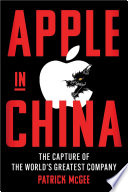
From "Apple in China"
🎧 Listen to Summary
Free 10-min PreviewCognitive Dissonance and Operational Conflicts within Apple
Key Insight
Apple's operational culture exhibited significant cognitive dissonance, where high demands for product quality, speed, and competitive pricing fundamentally clashed with its stated commitment to supplier responsibility and ethical labor practices. While senior leadership, including CEO Tim Cook, publicly emphasized efforts to reduce worker overtime and improve conditions, the internal drive for aggressive cost-cutting and rapid production ramp-ups created an environment where compliance often became economically infeasible for suppliers.
This internal conflict became evident when supplier responsibility efforts, led by Jacky Haynes, mandated improvements like cutting overtime and removing underage workers. However, Apple's global supply managers, tasked with component purchasing, were evaluated on achieving scale at low prices, creating a direct contradiction. Suppliers understood they would face legal repercussions or exclusion from future products if they failed to meet delivery commitments, leading them to prioritize profits over compliance when 'push came to shove.'
The tension manifested in daily operations, with one manufacturing design engineer recalling how messages from the CEO on corporate social responsibility were immediately contradicted by demands for output improvements from direct bosses. This systemic opposition meant that, despite Apple's intentions, its ruthless pursuit of profit dominance—garnering '80 percent of industry profits' from less than 'a fifth of global smartphone shipments'—made it difficult to be fully compliant, highlighting a core organizational paradox.
📚 Continue Your Learning Journey — No Payment Required
Access the complete Apple in China summary with audio narration, key takeaways, and actionable insights from Patrick McGee.