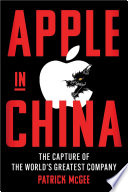
From "Apple in China"
🎧 Listen to Summary
Free 10-min PreviewApple's Financial Crisis and Bankruptcy Threat
Key Insight
The company faced its largest financial setback in late March 1996, announcing a 700 million dollar loss for the quarter. Cash reserves dwindled to a dangerous 500 million dollars, insufficient for 13000 employees and 150 million dollars in loans due in April. This precarious situation led Apple to seek bankruptcy counsel, exploring options for a Chapter 11 filing, with its chief financial officer, Fred Anderson, later describing the period as a 'death spiral'.
The crisis was exacerbated by a disastrous 1995 holiday quarter. Despite record revenues of 3.15 billion dollars, Apple reported a 69 million dollar loss instead of the predicted 150 million dollar profit. This occurred because sales teams, in a panic over Microsoft Windows 95, drastically cut prices by as much as 30 percent, selling products below cost to move inventory and maintain market share. As a result, Apple accumulated nearly 1 billion dollars in unsold inventory, a sum greater than its combined profits from the previous three years.
Apple's board considered selling the company, engaging in discussions with potential buyers like IBM, Sun Microsystems, and Philips. However, Apple's clear trajectory towards failure deterred serious offers. Sun CEO Scott McNealy, for example, bid 23 dollars per share in January 1996, significantly below Apple's trading price of 28 dollars, valuing the company at a mere 2.8 billion dollars. This bid was deemed insulting, yet shares would soon fall below 23 dollars and eventually under 15 dollars. The public perception of Apple's decline was vividly captured by a BusinessWeek cover story titled 'The Fall of an American Icon,' which accurately portrayed the company as being 'in near-meltdown' and needing 'a radical overhaul,' even leading to an Apple executive's mortgage offer being denied due to his employment.
📚 Continue Your Learning Journey — No Payment Required
Access the complete Apple in China summary with audio narration, key takeaways, and actionable insights from Patrick McGee.