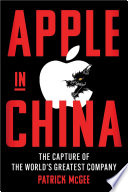
From "Apple in China"
🎧 Listen to Summary
Free 10-min PreviewFoxconn's Strategic Manufacturing Expansion and Labor Dynamics
Key Insight
Following the 2008 global financial crisis, China's government initiated a $1.4 trillion fiscal stimulus, primarily for infrastructure, prompting Foxconn CEO Terry Gou to make a bold bet on Apple's future demand. Gou leveraged government eagerness to attract investment, securing land, infrastructure, and labor support for new factory towns, famously telling Tim Cook, 'Foxconn is going to underwrite the investment' for two new inland campuses.
These inland campuses in Zhengzhou (iPhones) and Chengdu (iPads) aligned with Beijing's 'harmonious society' goal to create higher-income jobs away from congested coastal cities, aiming to reduce inequality and prevent social instability in poorer regions. This strategy also addressed growing concerns about labor conditions, including a series of worker suicides at Foxconn in 2010 that led to Apple being accused of 'iSlavery.'
The expansion aimed to alleviate severe labor challenges, including rising wages (up 20 percent in months), chronic shortages (74 percent of villages had no factory-fit workers), and extremely high turnover rates (300-400 percent annually at some contractors, 25 percent monthly at Pegatron Shanghai). Crucially, it sought to mitigate the annual exodus of millions of migrant workers during Chinese New Year, which caused over 50 percent attrition at some Apple suppliers, despite various bonus strategies designed to retain them.
📚 Continue Your Learning Journey — No Payment Required
Access the complete Apple in China summary with audio narration, key takeaways, and actionable insights from Patrick McGee.