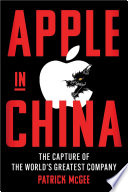
From "Apple in China"
🎧 Listen to Summary
Free 10-min PreviewXi Jinping's Consolidation of Power
Key Insight
Upon his appointment as general secretary of the Communist Party on November 15, 2012, Xi Jinping presented an enigmatic facade, offering anodyne remarks on China's history and an anti-corruption initiative. This drive, initially lauded, later revealed itself as a strategy to dismantle political rivals, enabling Xi to install loyalists and cement his authority. Despite being a public figure for three decades, having governed two successful provinces and elevated to the Politburo Standing Committee in 2007, his true intentions were largely unknown.
Xi's ascent was facilitated by the downfall of populist party secretary Bo Xilai, whose career imploded in February 2012 due to a murder scandal involving his wife and a British consultant. Bo, implicated in the murder, was stripped of titles and sentenced to life in prison, clearing a significant obstacle for Xi. This scandal, dubbed 'the biggest Chinese political scandal in at least two decades,' underscored the internal power struggles within the party.
Just weeks into his new role, Xi signaled a decisive shift towards a Maoist ideology, denouncing 'nihilism' and emphasizing Leninist values behind closed doors. He lamented the Soviet Union's collapse as a failure of individuals lacking the courage for dictatorship, and asserted the inevitable triumph of socialism over capitalism. Publicly, he cultivated a conciliatory 'Chinese Dream' image, but this stark contrast revealed a leader determined to steer China in a firm, ideological direction, asserting the party's control over all aspects.
📚 Continue Your Learning Journey — No Payment Required
Access the complete Apple in China summary with audio narration, key takeaways, and actionable insights from Patrick McGee.