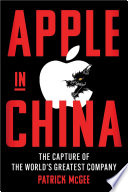
From "Apple in China"
🎧 Listen to Summary
Free 10-min PreviewChina's Strategic Technology Transfer Methods
Key Insight
China has historically pursued technology transfer to avoid perpetual reliance on low-skilled labor and to build its own competitive industries. In the 1990s, joint ventures (JVs) were the ideal template for foreign companies, granting market access in exchange for local partners learning operational expertise. Volkswagen, signing a JV in 1984, became China's largest carmaker and globally overtook GM, showcasing the lucrative, yet strategically risky, nature of these arrangements.
After China joined the WTO in 2001, explicitly conditioning market access on technology transfer became illegal in most sectors. However, the practice persisted through informal pressure, leveraging the vast Chinese market. A textbook example involved Siemens, Bombardier, and Kawasaki agreeing to transfer high-speed rail technology to state-backed companies in the early 2000s to access massive potential orders. By 2010, this strategy allowed local companies to compete globally, surprising foreign executives with China's rapid catch-up speed.
The choice of wholly owned foreign enterprises (WOFE) was often made to protect intellectual property, yet Apple's oldest business in China was classified as a 'trading company,' a term carrying negative historical connotations of colonial exploitation. This designation, combined with Apple's initial lack of R&D centers and formal partnerships, contributed to Beijing's perception that it was not contributing to China's technological advancement, highlighting the subtle yet powerful ways China manipulated perceptions and policy to encourage technology acquisition.
📚 Continue Your Learning Journey — No Payment Required
Access the complete Apple in China summary with audio narration, key takeaways, and actionable insights from Patrick McGee.