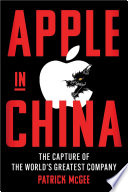
From "Apple in China"
🎧 Listen to Summary
Free 10-min PreviewApple's Strategic Adaptation and the 'Gang of Eight'
Key Insight
Following the coordinated media attacks in 2013, Apple recognized its vulnerabilities in China and began to deliberately shift its operational strategy. Within two years, it assembled a specialized team, dubbed the 'Gang of Eight,' comprising new hires and existing executives across operations, procurement, retail, marketing, government affairs, and Apple University. Their mission was to localize Apple's operations, navigate China's political landscape, and contain its China risk while demonstrating commitment to the country.
Key members included Rory Sexton, the first Vice President to live in China, who localized operations and grew the engineering team from 1,000 to 4,000, streamlining production and acting as liaison to Cupertino. Steven Marcher, fluent in Mandarin and with extensive experience at Nokia and Foxconn, was tasked with establishing Apple's first R&D hubs in China, aiming to appease local officials and source local components. Jun Ge, a former Intel VP with two decades of experience, was hired to lead government affairs, bringing crucial local regulatory and political navigation skills to Apple.
Doug Guthrie, a China expert and economic sociologist, became instrumental in Apple's 'political awakening.' Hired for Apple University after a public firing, he conditioned his acceptance on moving to Shanghai to apply his nuanced understanding of China's economic model. Guthrie's role evolved into deciphering Beijing's signals, such as the labor dispatch law, and advising Cupertino on how to adapt and strategically communicate Apple's contributions to China's development, fundamentally changing how Apple engaged with the country's unique institutional conditions.
📚 Continue Your Learning Journey — No Payment Required
Access the complete Apple in China summary with audio narration, key takeaways, and actionable insights from Patrick McGee.