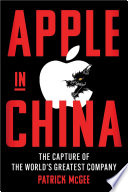
From "Apple in China"
🎧 Listen to Summary
Free 10-min PreviewApple's Early Misunderstandings and Vulnerabilities in China
Key Insight
Apple initially exhibited a lack of understanding regarding China's complex political and economic landscape, treating Chinese government officials akin to vendors in their supply chain. This became evident in March 2013 when state mouthpiece CCTV launched a coordinated attack on Apple on Consumer Day, just after Xi completed his transition to power, scolding the company for 'incomparable' arrogance concerning warranty policies. Apple's initial, cool rejection of allegations by Tim Cook, followed by delayed apologies and policy amendments, underscored its unpreparedness.
Apple's business model, while highly profitable, also generated negative international attention that reflected poorly on China. Issues like the wave of suicides at its chief assembler, Foxconn, starting in 2010, and a riot involving 2,000 Foxconn staff in September 2012, garnered global media coverage. An independent audit, commissioned by Apple, revealed that 60% of 229 audited suppliers violated 60-hour workweeks, half mishandled hazardous chemicals, and over 100 facilities failed to pay proper overtime. This exposed problematic labor practices, which, from Beijing's perspective, embarrassed an ostensibly socialist nation.
Furthermore, Apple's 'Designed by Apple in California. Assembled in China' tagline diminished China's contributions, despite the country developing world-class industrial clusters and skilled engineers crucial to product functionality. While other Western companies like Volkswagen formed joint ventures for technology transfer, Apple’s oldest business unit in China was classified as a 'trading company,' a term associated with colonial-era exploitation and 'unequal treaties.' This, coupled with Apple's lack of R&D centers and formal local partnerships compared to rivals like Samsung, made hard-liners view Apple as an exploitative entity.
📚 Continue Your Learning Journey — No Payment Required
Access the complete Apple in China summary with audio narration, key takeaways, and actionable insights from Patrick McGee.