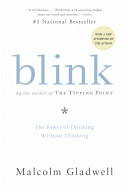
From "Blink"
🎧 Listen to Summary
Free 10-min PreviewThe Nature of Human Mind Reading (Rapid Cognition)
Key Insight
Rapid cognition refers to the instantaneous judgments and impressions people form about others, an almost basic and automatic human impulse. Every waking moment in someone's presence, people constantly make predictions and inferences about what that person is thinking or feeling. This involves 'thin-slicing,' picking up on subtle, fleeting cues to understand someone's mind, a skill at which humans typically effortlessly excel.
Examples of this include discerning sincerity from eye contact when someone says 'I love you,' interpreting complex facial expressions like amusement (grinning with twinkling eyes) versus sarcasm (exaggerated nod and smile with tightened lips), or recognizing flirting from a small smile followed by averted gaze. Even a one-year-old child will look into an adult's eyes for an explanation when a puzzling action occurs, demonstrating this innate ability to seek meaning in faces.
Humans can distinguish, often in a blink, between suspicious and non-suspicious, brazen and curious, or terrified and dangerous individuals, constantly making these instantaneous calculations in daily life. This capacity for mind-reading is a sophisticated, lightning-fast calculation performed without conscious thought, allowing for complex social interactions and understanding.
📚 Continue Your Learning Journey — No Payment Required
Access the complete Blink summary with audio narration, key takeaways, and actionable insights from Malcolm Gladwell.