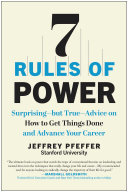
From "7 Rules of Power"
🎧 Listen to Summary
Free 10-min PreviewStrategic Personnel and Structural Power Consolidation
Key Insight
Leaders consolidate power by strategically replacing existing personnel with new teams that possess requisite skills and align with their vision. Gary Loveman at Harrah's, for example, moved out senior individuals, including a marketing head who had won an award, to implement a strategy based on advanced analytics that required new capabilities, bringing in people with those skills. Similarly, Amir Dan Rubin at Stanford Healthcare initiated significant turnover across senior leadership and departmental heads, ensuring his new team could enhance operational effectiveness and meet higher performance expectations.
A sophisticated method to remove opponents is 'strategic outplacement,' which involves helping rivals secure different, potentially better, positions elsewhere. This neutralizes their threat while earning gratitude and avoiding direct conflict. Willie Brown, a skillful politician, used a state redistricting plan to provide his strongest Democratic opponents with 'honorable ways' to leave the Assembly for seats in Congress or safe state Senate seats, thereby solidifying his own power. This tactic requires the ability to act dispassionately, as resentment, exemplified by Dean David Korn's inability to strategically remove Frances Conley, can be self-defeating.
Power can be entrenched through structural changes that institutionalize a leader's control. Examples include dual-class voting structures in public companies, where founders retain disproportionate governance rights (e.g., Mark Zuckerberg holding almost 60 percent of Facebook's voting power, or Snap's public shares having no voting rights). Other strategies include a single individual holding both CEO and board chair roles (45.6 percent of companies in 2018), intentionally preventing the grooming of likely successors (as Jack Valenti did during his 38-year tenure at the Motion Picture Association of America), and holding multiple overlapping roles, like Robert Moses who simultaneously held twelve positions, including chairman of the Triborough Bridge and Tunnel Authority, granting him independence and enduring influence.
📚 Continue Your Learning Journey — No Payment Required
Access the complete 7 Rules of Power summary with audio narration, key takeaways, and actionable insights from Jeffrey Pfeffer.