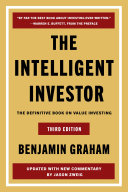
From "The Intelligent Investor Third Edition"
🎧 Listen to Summary
Free 10-min PreviewDefining Investment vs. Speculation
Key Insight
An investment operation, upon thorough analysis, promises safety of principal and an adequate return; operations not meeting these requirements are speculative. Investment is a structured process unfolding over years or decades, demanding disciplined, consistent analysis rather than impulsive actions. Its returns are intrinsic, stemming from the interest of bonds or the earnings and dividends of stocks. A stock represents an ownership stake in an underlying business, which must consistently generate more cash than it consumes to appreciate persistently.
Historically, the definition of 'investor' has drastically changed. After the 1929–1932 market decline, common stocks were largely considered speculative, requiring a defense of a broader investment definition. More recently, the term has been misapplied indiscriminately to anyone in the stock market. Examples include financial journal headlines like 'SMALL INVESTORS BEARISH, THEY ARE SELLING ODD-LOTS SHORT' in June 1962, or 'reckless investors' rushing to buy in October 1970, illustrating a widespread confusion that equates to a contradiction in terms such as 'spendthrift misers'.
This misuse of language has mischievous consequences. In 1948, over 90% of those queried opposed common stock purchases, citing risks or unfamiliarity, ironically when stocks were attractively priced before a historic advance. Conversely, later, as prices rose to dangerous levels, all buyers became 'investors.' The fading distinction is concerning, prompting a recommendation for Wall Street to reinstate and emphasize it to prevent heavy speculative losses. Even in 'simon-pure' investment policies involving common stocks, a speculative factor exists, requiring investors to keep it minor and be financially and psychologically prepared for adverse results.
📚 Continue Your Learning Journey — No Payment Required
Access the complete The Intelligent Investor Third Edition summary with audio narration, key takeaways, and actionable insights from Benjamin Graham, Jason Zweig.