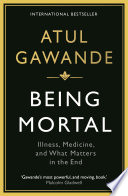
From "Being Mortal"
🎧 Listen to Summary
Free 10-min PreviewRedefining Residential Care: The Household Model
Key Insight
New approaches to elder care are emerging, moving away from the traditional institutional model to facilities designed to foster independence and a higher quality of life. An example is NewBridge on the Charles, a retirement community featuring a nursing home wing that operates fundamentally differently from conventional facilities. Instead of large, shared rooms along long corridors, it is structured into smaller, human-sized units called 'households,' each accommodating no more than sixteen residents.
These households are designed to mimic a real home environment, with all private rooms built around a common living area that includes a dining room, kitchen, and activity room. This architectural and functional design reduces anxiety and depression, while simultaneously promoting greater socializing, friendship, a heightened sense of safety, and increased interaction between residents and staff, even among those with dementia. The open layout encourages participation in daily activities, and the presence of a central kitchen allows residents spontaneous access to snacks, replicating the organic flow of a personal home rather than a clinical setting.
The staff culture within these innovative environments also differs significantly, prioritizing resident mobility and overall well-being over strict safety protocols. For instance, a 99-year-old resident with blindness and frequent falls was still encouraged to walk, recognizing the importance of mobility for both physical strength and mental well-being, rather than being confined to a wheelchair. Residents maintain personal autonomy through flexible daily rhythms, the ability to form caring relationships, and opportunities to pursue individual interests such as attending movies or classes, providing a stark contrast to regimented, institutional living.
📚 Continue Your Learning Journey — No Payment Required
Access the complete Being Mortal summary with audio narration, key takeaways, and actionable insights from Atul Gawande.